Writing on engineering intelligence.
Practical writing on engineering intelligence, DORA done right, and reading a team’s delivery — from the CTO-as-a-service team that builds Deckgauge.
Why we built Deckgauge — and why we’re giving it away
CodPal built Deckgauge to step into any company as a fractional CTO and understand delivery fast — one board over Jira, GitHub, Azure DevOps and Monday.com, the real bottlenecks, and a roadmap for leadership. Here’s the story, and why it’s now open source.
Read more →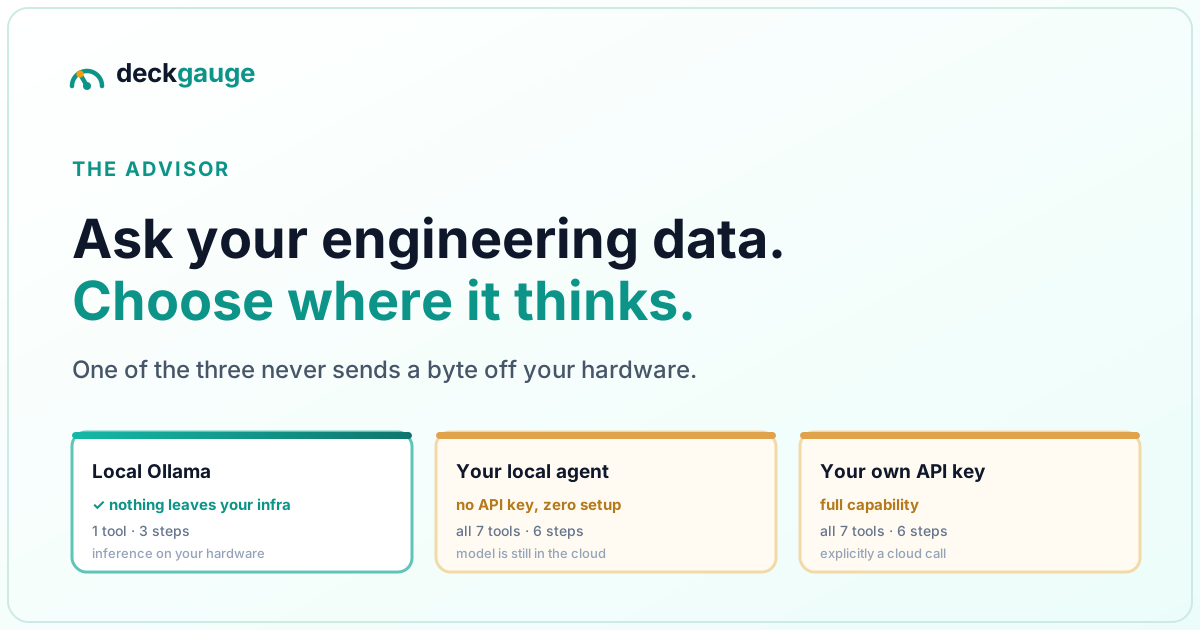
Ask your engineering data questions — with an AI that runs on your own machine
The Advisor answers questions about one board using real, grounded data. Three ways to give it a model — a fully local Ollama instance, the Claude Code or Codex already signed in on your machine, or your own API key — and the honest trade-off between privacy and capability.
Read more →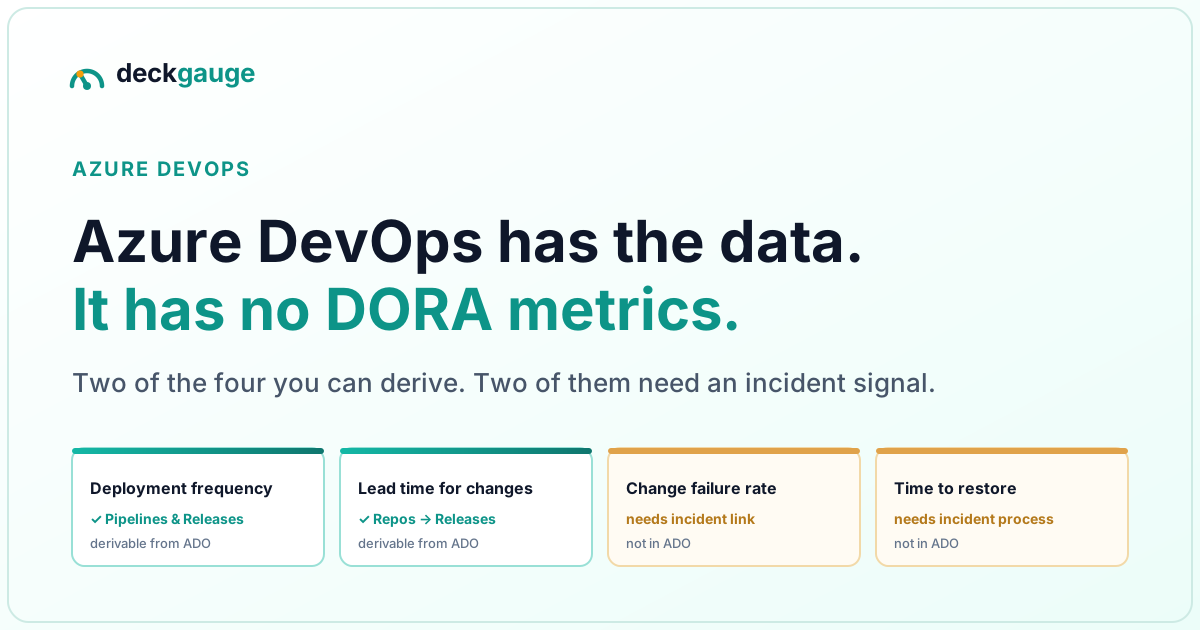
DORA metrics for Azure DevOps: what ADO gives you, and what it doesn't
Azure DevOps holds Repos, Pipelines, Releases and Boards — and computes none of the four DORA metrics. Which two you can derive cleanly from ADO data, which two need an incident signal it does not record, and why so many dashboards quietly substitute pipeline failure rate for change failure rate.
Read more →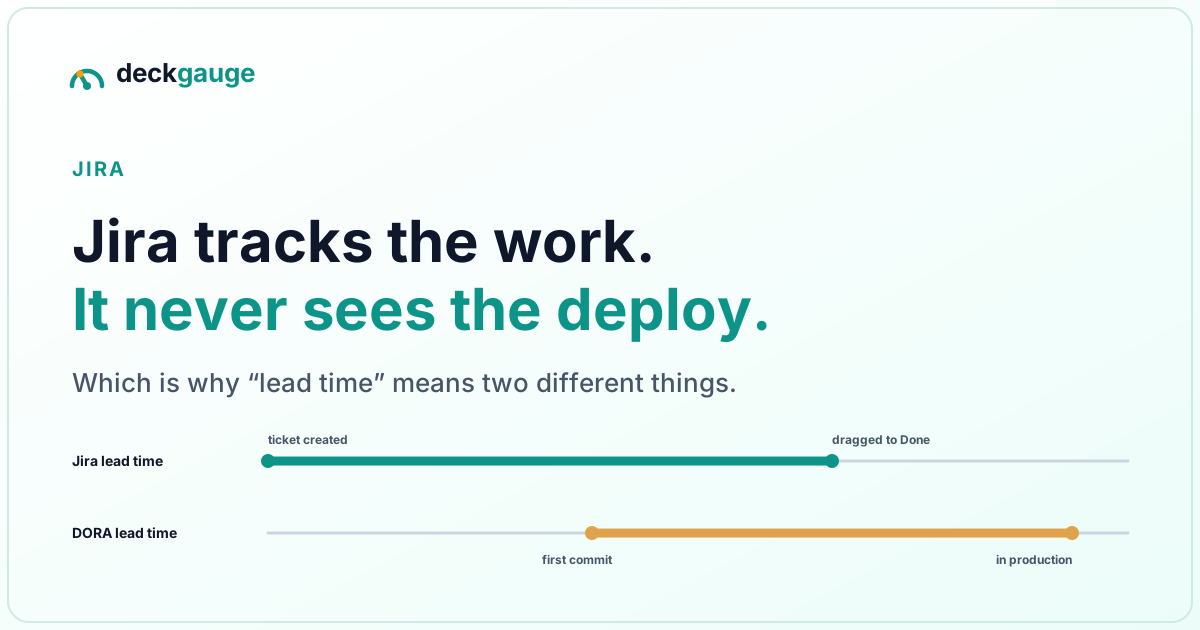
Can you get DORA metrics from Jira? An honest accounting
Jira records no deployment reaching production, so two of the four DORA metrics are structurally out of reach from Jira alone. What you can measure, why “lead time” means two different things, and the queue data Jira is genuinely the best source for.
Read more →
Open-source Jellyfish and LinearB alternative: a full comparison
Jellyfish and LinearB are strong engineering-intelligence platforms with per-seat pricing and your data in their cloud. A feature-by-feature comparison against Deckgauge — DORA, flow, investment allocation, pricing, self-hosting effort — and an honest account of where the paid tools still win.
Read more →
Open-source Swarmia alternative: how Deckgauge compares
Swarmia is the benchmark for team-level developer-experience metrics, and it is SaaS. A detailed comparison with Deckgauge — what maps one-to-one, what does not exist on either side, pricing at 25 and 100 engineers, and how to run a two-week trial before you commit.
Read more →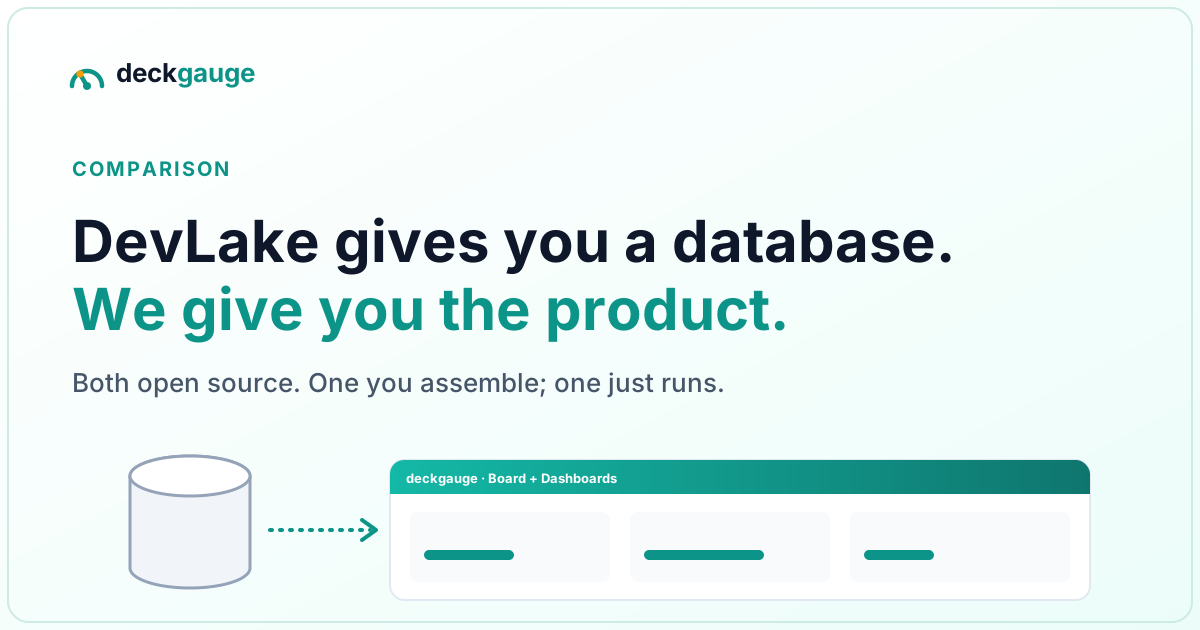
Apache DevLake vs Deckgauge: a database or a product
Apache DevLake is excellent open-source data plumbing, and then you build the dashboards yourself in Grafana. A concrete comparison of what each one gives you on day one, what setup actually costs in hours, and which of the two you should pick.
Read more →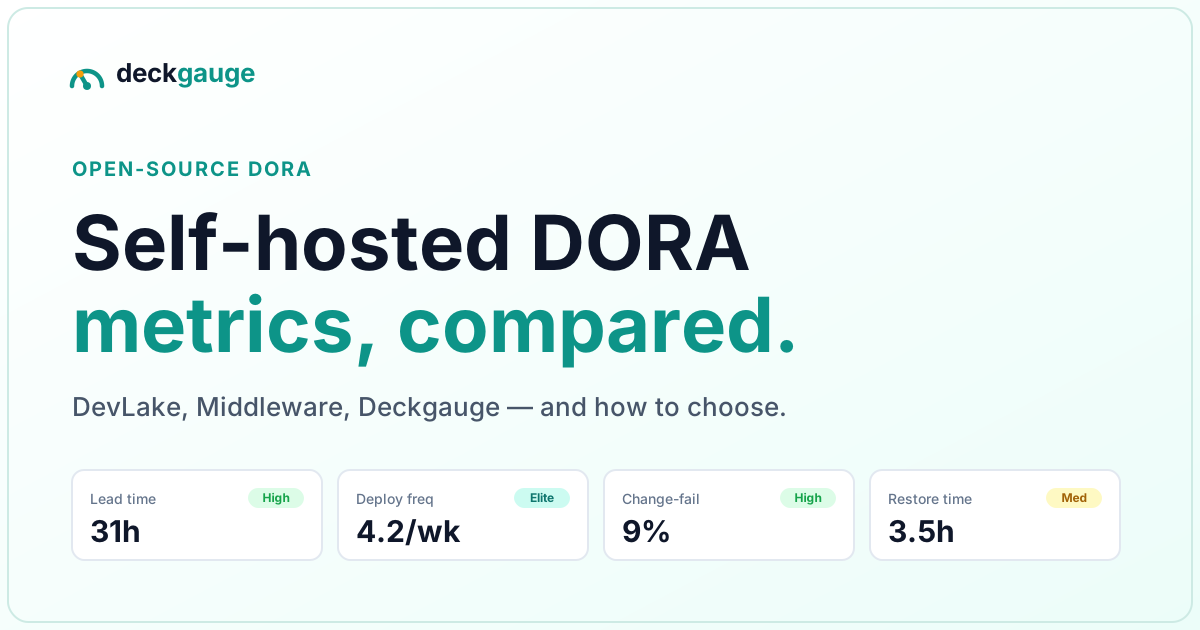
Self-hosted DORA metrics: the open-source options
Want DORA metrics without a SaaS holding your data? An honest look at the self-hosted, open-source options — Apache DevLake, Middleware and Deckgauge — and how to choose.
Read more →
How to measure engineering team productivity
Which metrics actually reflect engineering productivity (DORA, flow, review), which mislead, and how to measure teams without surveilling individuals.
Read more →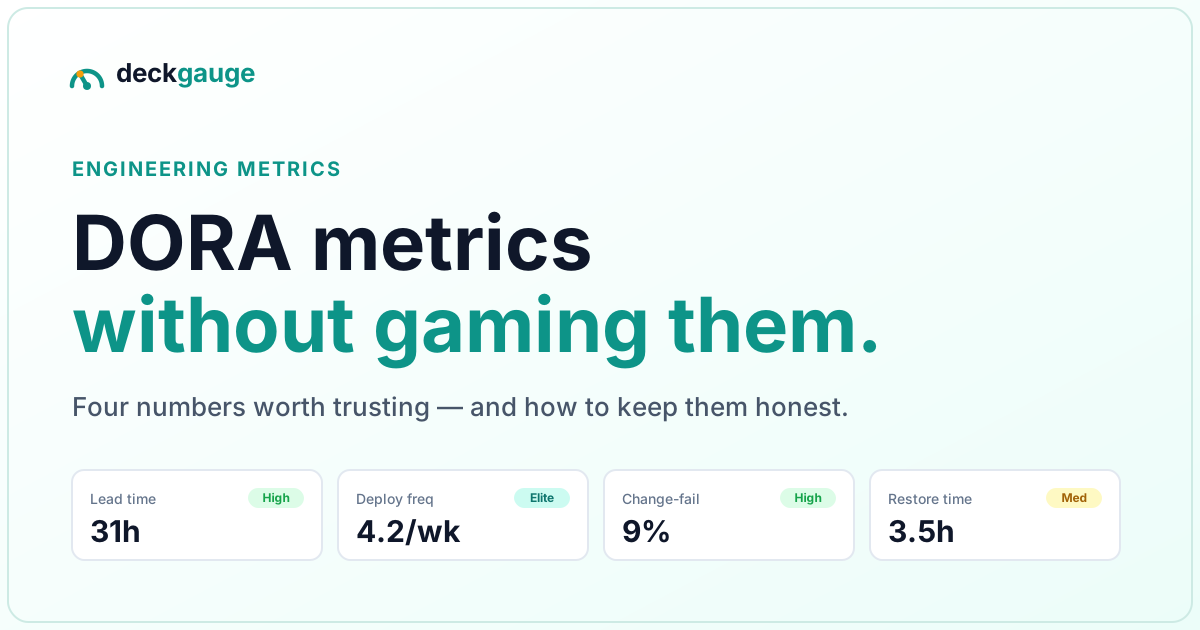
DORA metrics without gaming them
The four DORA metrics are only useful if teams don’t game them. How to measure deployment frequency, lead time, change-failure rate and restore time honestly — at team level, as a conversation, not a scoreboard.
Read more →
Measuring engineers without surveillance
Engineering metrics don’t have to mean surveillance. Measure delivery supportively — team aggregates, finding who needs a hand instead of who to punish, and individual figures treated as decision support rather than a rating.
Read more →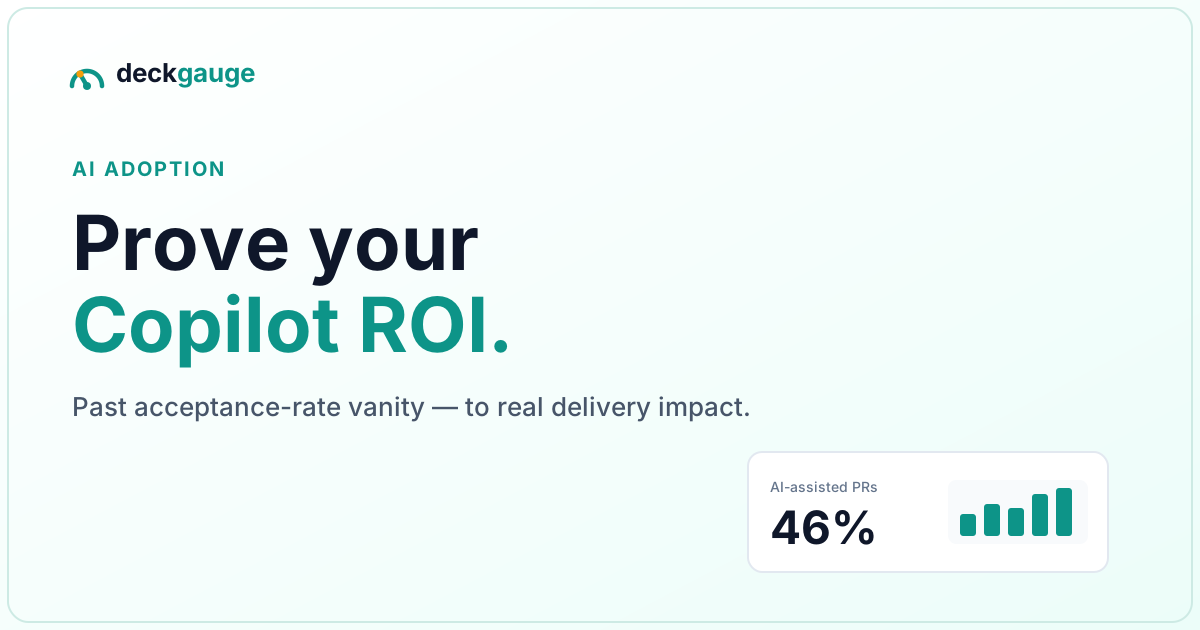
How to actually prove your Copilot ROI
Copilot seats cost real money, and acceptance rate doesn’t prove ROI. Measure AI coding-assistant value with delivery data: AI-assisted PR share, throughput and cycle-time deltas, with quality guardrails.
Read more →Prefer a reader? Subscribe to the RSS feed.